
Tocqueville Summer Conversation: Strengthening Workforce & Financial Stability
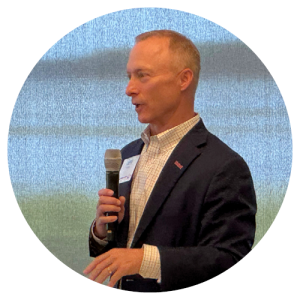
On June 18, 2026, Tocqueville Society members and guests gathered at M3 Insurance for our June Conversation, focused on the evolving landscape for working individuals and families in Dane County.
The discussion explored the growing gap between wages and the cost of living, and how United Way of Dane County is working alongside community partners to address affordability challenges and strengthen pathways to financial stability.
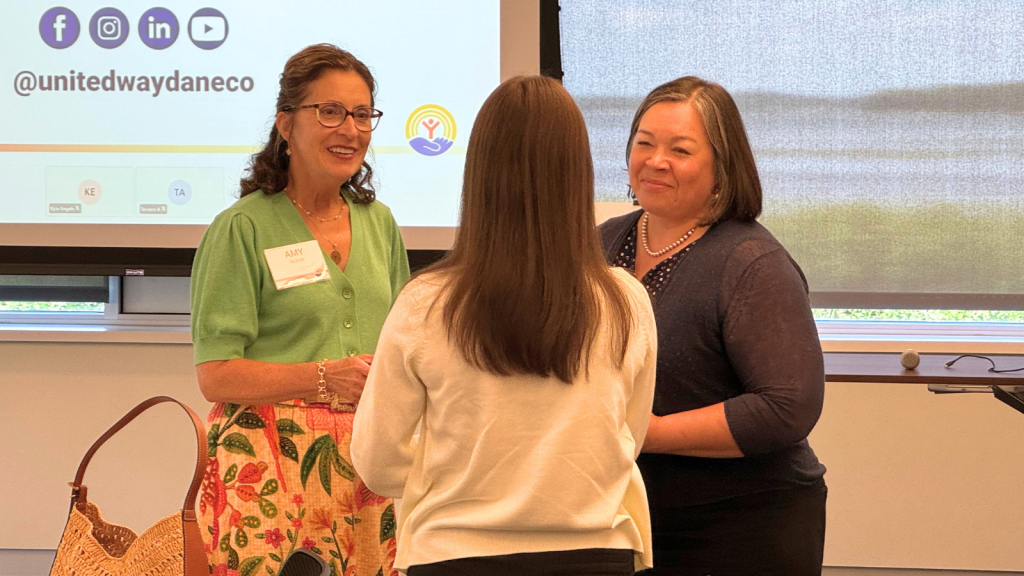
The program featured opening remarks from Sean LaBorde, our host at M3 Insurance and Renee Moe, President & CEO of United Way of Dane County, who framed the conversation around wage trends, market costs and United Way’s role as a community convener.
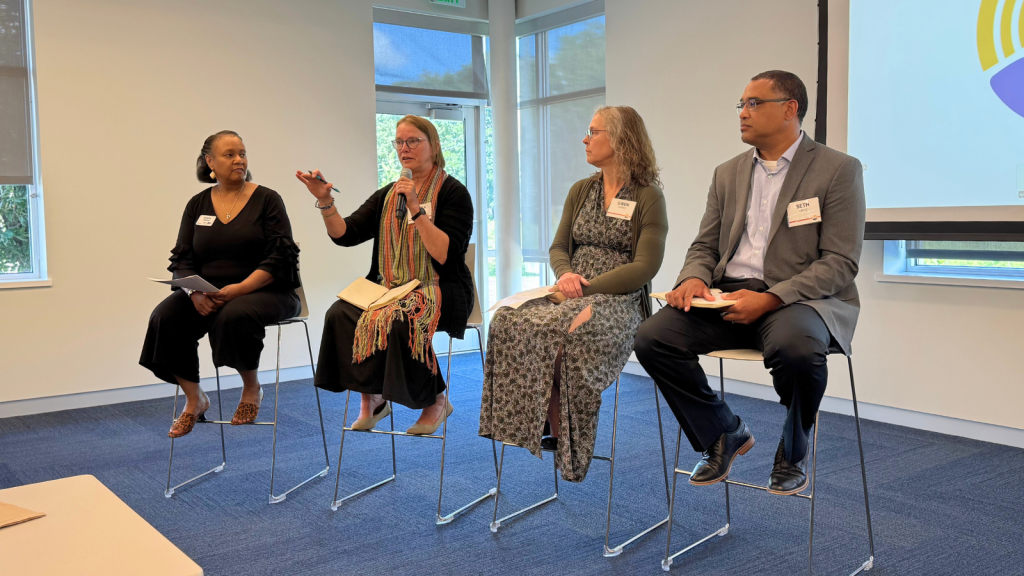
The panel discussion, moderated by 2026 Campaign Chair Jeff Tubbs of Findorff, included:
- Laura Dresser, Clinical Associate Professor School of Social Work at UW-Madison
- Seth Lentz, CEO at Workforce Development Board of South Central Wisconsin
- Gwen Hannes, Financial Employment Planner for Dane County Human Services
- Angela Jones, Financial Security Director for United Way of Dane County
Panelists shared insights on the current state of working families, highlighting why many individuals continue to struggle despite being employed. The conversation emphasized the importance of coordinated workforce strategies, cross-sector partnerships, and data-informed investments to address these challenges.
The conversation highlighted that in today’s economy, quality of life is deeply tied to the quality of one’s job, yet many workers in Wisconsin face unstable hours, limited access to benefits like health insurance and paid leave, and wages that are not keeping pace with rising costs. With roughly 30% of Wisconsin workers earning $20 per hour or less, and caregiving roles especially vulnerable, the panel emphasized the importance of creating clear pathways to stable, family-supporting employment.
Speakers underscored the critical role of coordinated, community-wide efforts from the Workforce Development Board stewarding limited (and declining) federal resources, to partners working together through initiatives like the Employee Training Network and United Way’s Community Solutions Team. These collaborations help align services, reduce barriers for individuals, and create more seamless support systems. The discussion also reinforced that the challenge is less about unemployment and more about underemployment, making targeted training, career advancement, and early intervention key priorities. Ultimately, panelists emphasized that investing in workforce stability not only impacts individuals, but creates a multi-generational ripple effect, strengthening families and the broader community over time.