
Tocqueville Spring Conversation: Coming Together for Community Impact
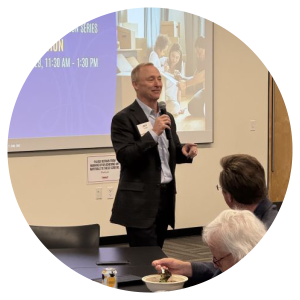
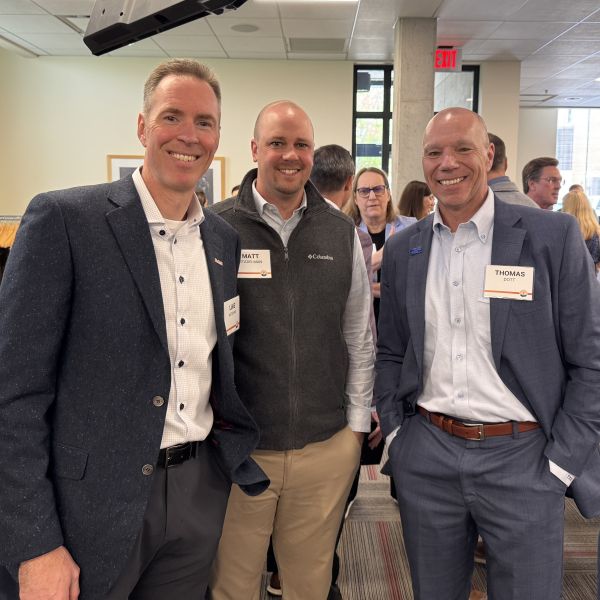
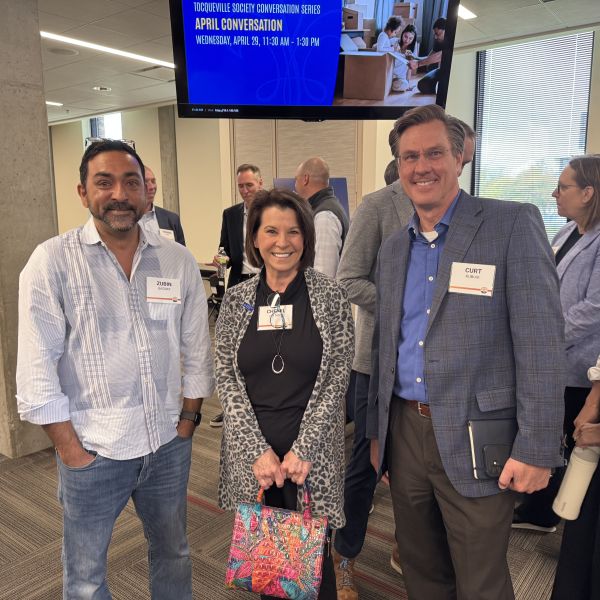
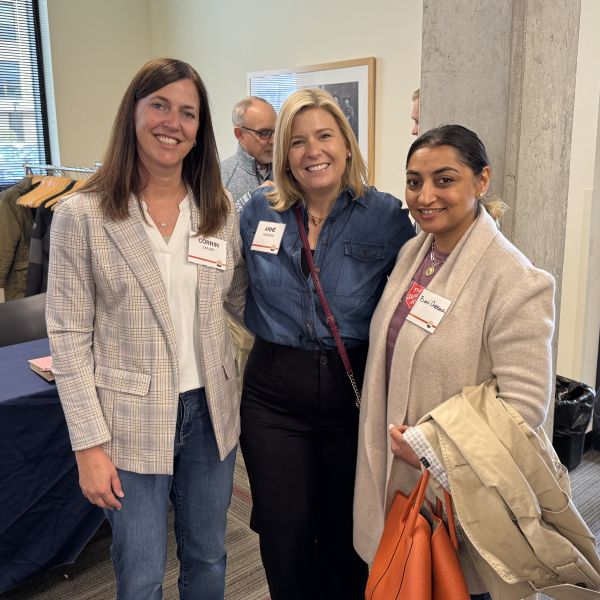
Thank you to everyone who attended our first Tocqueville Conversation of the year on April 29, generously hosted by Findorff. Members and guests gathered for a discussion around the measurable impact we achieved in our community in 2025 and the opportunities ahead.
Renee Moe, United Way of Dane County President & CEO, provided a foundation for the current moment our community faces, followed by a presentation on community level data by Vice President of Community Impact, Jody Bartnick. These results illustrated how unrestricted gifts are leveraged for broader impact and highlighted the critical role Tocqueville members play in strengthening our community.
The group then moved into small‑group discussions where attendees had the opportunity to engage directly with United Way Community Impact directors around Financial Security, Healthy Community and Youth Opportunity. We reflected on the data and explored how community challenges and solutions are showing up in workplaces and partnerships across Dane County.
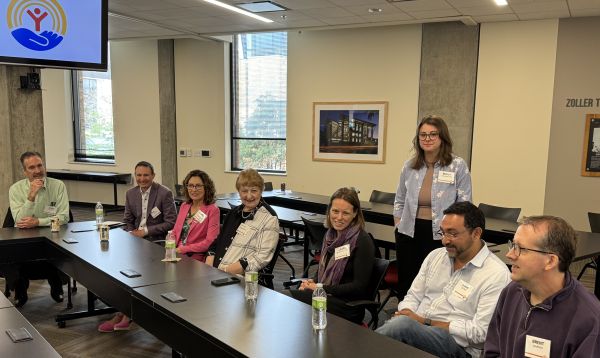
Here are some of the highlights from those conversations:
Financial Security:
This group discussed preventing evictions while addressing long-term housing stability. Participants discussed Women & Wealth, workforce pathways and affordable housing efforts, celebrating strong program success while examining how to better support families still struggling. The conversation emphasized balancing immediate needs with systemic solutions through coordinated tools, partnerships and community investment.
Healthy Community:
Personal stories reinforced that navigating health care is complex for many, even those with resources, and that strong case management and attention to social determinants of health like neighborhood safety are essential for better outcomes. The group discussed how fear, particularly around immigration enforcement, is preventing some families from accessing health care, affecting both patients and frontline providers. Participants emphasized the need for culturally relevant, trusted care.
Youth Opportunity:
Participants explored how youth success is measured, including questions about racial disparities in academic achievement outcomes. The group discussed alternative pathways for students who may not thrive in traditional school settings and how changing tutoring models affect families and students. The shared conclusion was that the community must do more to support diverse paths to success for young people, including supporting out of school time and reducing school mobility.
Deep Dive on 2025 Results and 2026 Trends:
This discussion focused on using data to reduce duplication across nonprofits while addressing growing needs amid shifting donor engagement. Participants considered strategies to better reach younger and remote workers and expand beyond traditional workplace campaigns. Collaboration and innovation were seen as key to sustaining long-term impact.
These conversations reinforce a shared belief: when more people have what they need to succeed, our entire community is stronger.